Sewage cleanup in Brownsville: health risks and safe steps
Sewage backups in Brownsville carry real health risks. Here are the dangers, the safe cleanup steps, and when to call a pro for sewage removal.
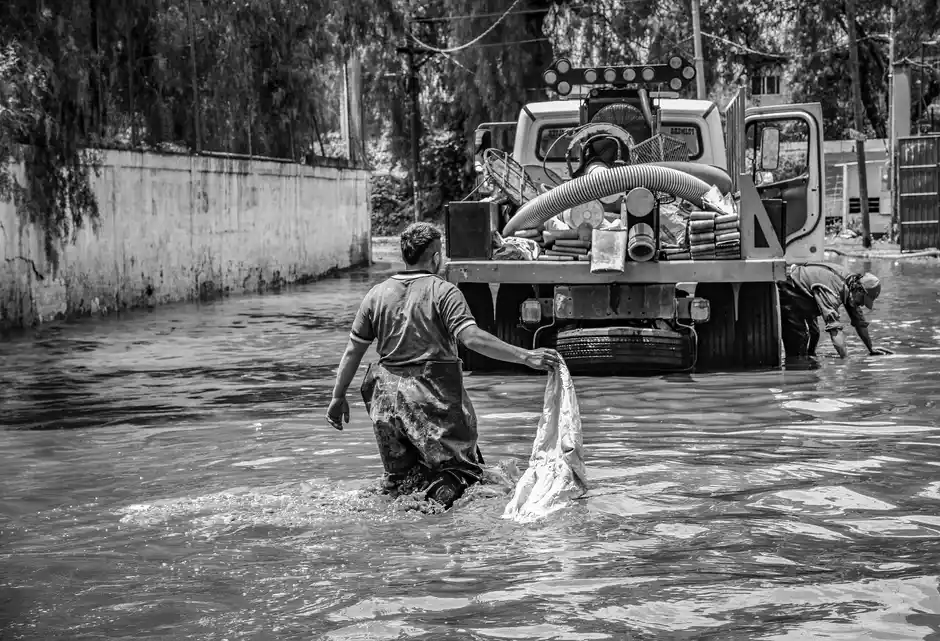
Sewage cleanup health risks Brownsville TX homeowners face are not just about the smell - raw sewage carries bacteria, viruses, and parasites that can make your family sick within hours of exposure. The safe move is to keep everyone out of the affected area, shut off the water source if you can, and call a team that handles sewage cleanup Brownsville TX with the right protective gear and disinfectants. This post walks through why backups happen here, the specific dangers, the steps you can safely take yourself, and the point where you should stop and hand it off.
Why sewage backups happen so often in Brownsville
Brownsville sits on a flat, low-lying coastal plain where heavy rain and aging clay sewer laterals combine to push wastewater back into homes. The city's older neighborhoods - especially around Water Damage restoration in Downtown Brownsville - still have cast-iron and Orangeburg pipes that crack, sag, and get invaded by roots. When a summer downpour dumps two inches in an hour, the municipal main surcharges and the path of least resistance becomes your floor drain or the lowest toilet in the house.
We also see a lot of backups caused by grease and wipes. Even "flushable" wipes do not break down; they catch on rough pipe walls and form a dam. Add a few pounds of holiday cooking grease and you have a blockage that only shows up when the line is already full. If your home has ever had a slow drain that "fixed itself," that was a warning.
The real health risks of sewage in your home
Sewage is classified as Category 3 water - the most contaminated type - and that classification is not a technicality. It means the water contains human waste, and with it a long list of pathogens that can enter your body through a cut, your mouth, or simply by breathing aerosolized droplets.
The main categories of risk:
- Bacterial: E. coli, Salmonella, and Campylobacter can cause severe diarrhea, cramping, and fever. Symptoms often start 12 to 72 hours after exposure.
- Viral: Norovirus, hepatitis A, and rotavirus survive in sewage and spread easily when contaminated surfaces are touched and then hands reach a face.
- Parasitic: Giardia and Cryptosporidium are chlorine-tolerant and can linger in damp drywall and grout for weeks.
- Respiratory: If the area stays wet more than 24 to 48 hours, mold colonies can begin releasing spores that trigger asthma and allergy attacks.
Children, pregnant women, older adults, and anyone with a compromised immune system are at the highest risk. Pets count too - a dog that walks through contaminated water and then licks its paws is a common route of infection we hear about on calls.
What are the health risks of sewage cleanup in Brownsville TX?
The health risks of sewage cleanup in Brownsville TX are highest during the cleanup itself, because that is when contaminated water is being agitated, sprayed, and scrubbed. A wet/dry vacuum without a HEPA filter aerosolizes bacteria into the air you are breathing. A garden hose spraying a contaminated floor creates a fine mist that settles on every nearby surface.
That is why our technicians wear full PPE - rubber boots, nitrile gloves, sealed eye protection, and N95 or P100 respirators - and why we set up containment before we touch anything. If you are doing any part of the cleanup yourself, the same rules apply. Open windows, keep children and pets out of the room, and never mix bleach with ammonia-based cleaners; the resulting chloramine gas can send you to the emergency room.
There is also a hidden risk that has nothing to do with germs: structural damage. Sewage-soaked subfloor, drywall, and insulation lose strength and hold moisture for weeks. We routinely find soft spots under tile and black staining on the bottom plate of walls that looked fine from the surface. That is one reason we treat every sewage call as a water damage mitigation Brownsville TX job, not just a mop-up.
Safe steps to take right after a sewage backup
Your first hour matters more than the next three days. Here is the sequence we walk homeowners through on the phone before we arrive:
- Stop the source. If the backup is from a toilet or appliance, shut off its supply valve. If it is coming up through a floor drain during rain, do not flush anything and do not run water.
- Cut the power to the affected area at the breaker - only if you can reach the panel without stepping in water.
- Get everyone out. Move kids, pets, and anyone with breathing issues to a dry part of the house or outside.
- Ventilate. Open windows and run box fans pushing air out, not around the room.
- Do not walk through it. Every step spreads contamination to the rest of the house.
- Call for help. A trained crew can be extracting water within the hour.
If the volume is significant - say, more than an inch across a room - skip straight to the call. Standing sewage in a Brownsville home during a humid November can start growing mold in under 48 hours.
How do I safely clean up sewage in my Brownsville home?
You can safely handle a very small spill - a toilet overflow that stayed on tile, for example - if you suit up properly and disinfect aggressively. Anything larger, or anything that soaked into carpet, drywall, or cabinets, needs professional extraction and drying.
For a small spill, here is the process:
- Put on rubber boots, long rubber gloves, eye protection, and an N95 mask.
- Remove solids with a dedicated shop vac or disposable towels, bag them, and seal the bag.
- Wash the surface with hot water and dish soap, then disinfect with a 1:10 bleach solution (about 1.5 cups of bleach per gallon of water). Let it sit 10 minutes.
- Dispose of every towel, sponge, and brush you used. Do not wash them and reuse.
- Shower with hot water and soap when you finish, and wash your clothes separately.
What you cannot do yourself is dry the structure. Sewage water wicks into baseboards, subfloor, and the bottom 12 to 24 inches of drywall. We use moisture meters and thermal cameras to find the wet zones, then run commercial dehumidifiers and air movers until the readings match a dry standard. If you skip that step, you are rolling the dice on a mold problem that costs far more to fix than the original cleanup. That is also when we bring in mold remediation after water damage Brownsville TX.
Common mistakes we see on sewage calls
The same handful of errors show up on almost every sewage job we get called to in Cameron County. Avoiding them saves you money and keeps your family healthier.
- Using a regular vacuum. A household vacuum will spread bacteria through its exhaust and usually dies within minutes. It also contaminates the vacuum permanently.
- Bleach on everything. Bleach is a good disinfectant on hard, non-porous surfaces. It does not penetrate carpet padding, drywall, or wood framing, and it does not kill mold on porous materials.
- Drying with a box fan. A fan moves air but does not remove moisture. Without a dehumidifier, you are just circulating humid air through the house.
- Waiting for the smell to fade. The smell fades long before the bacteria and moisture are gone. Odor is a poor test of safety.
- Filing the insurance claim too late. Most policies require you to report and mitigate damage promptly. Waiting a week can cost you coverage.
One more: do not pour drain cleaner down a backed-up line. It can sit against the blockage, heat up, and damage older pipes - turning a clog into a repair.
When to call a professional
Call a professional the moment sewage touches anything porous, spreads beyond a small tiled area, or has been sitting more than a few hours. That covers most of what we see. Carpet, pad, drywall, cabinet toe kicks, and subfloor all need to come out or be dried with commercial equipment - there is no home remedy that gets them clean.
We also get called when the backup keeps returning. That points to a blockage or a failing lateral, not a one-time overflow. In those cases we camera the line, find the break or root intrusion, and coordinate the repair so you are not mopping the same floor next month. If you are searching for water damage restoration near me Brownsville TX after a backup, that is exactly the kind of call we handle every week.
Habitat Surge is a local crew - we know the neighborhoods, the pipe ages, and how fast a Brownsville house can grow mold in this humidity. We handle extraction, disinfection, structural drying, and the paperwork your insurance adjuster needs.
Frequently Asked Questions
What are the health risks of sewage cleanup in Brownsville TX?
The main risks are bacterial infections (E. coli, Salmonella), viral illnesses (norovirus, hepatitis A), parasites like Giardia, and respiratory problems from mold that starts growing within 24 to 48 hours. The cleanup process itself is the highest-exposure moment because agitation aerosolizes pathogens.
How do I safely clean up sewage in my Brownsville home?
For a small spill, wear rubber boots, gloves, eye protection, and an N95 mask. Remove solids, wash with hot soapy water, then disinfect with a 1:10 bleach solution for 10 minutes. Anything larger than a few square feet, or anything soaked into carpet or drywall, needs professional extraction and drying.
Is sewage water dangerous in Brownsville Texas?
Yes. Sewage is Category 3 water - the most contaminated classification - and it contains human waste, bacteria, viruses, and parasites. It should never be handled without protective gear, and any area it touches should be treated as contaminated until it is professionally cleaned and dried.
Who should I call for sewage cleanup in Brownsville TX?
Call a licensed restoration company that handles Category 3 water, not a general cleaning service. Habitat Surge responds to sewage backups across Brownsville and Cameron County with extraction, disinfection, structural drying, and insurance documentation. Call (956) 625-2326.
Does homeowners insurance cover sewage backup in Brownsville?
Standard policies usually exclude sewer backup unless you added a specific endorsement, which typically costs $50 to $150 a year and covers $5,000 to $25,000. Check your declarations page. If you have the endorsement, report the loss immediately - most policies require prompt mitigation.
Get help with Water Damage restoration in Brownsville
When sewage is on your floor, the clock is running - every hour raises the risk of mold and adds to the repair bill. Our team handles Water Damage restoration across Brownsville, from emergency extraction to full structural drying and disinfection.
Call (956) 625-2326 and we will walk you through the first steps while a crew is on the way.